Back to blogs
Loading article…
Blog
Longer posts — published here first, then cross-posted to Dev.to with a canonical URL back to this site.
Back to blogs
Back to blogs
Postdns, network, tcp, loadbalancer
step 1: Check the cache for the domain's IP address, for a sites like google.com it's...
Date published

Why You Might Still Pick Next.js Over TanStack Start From a TanStack Start...

A complete theme management system for React applications with SSR support! ✨ 🌟...
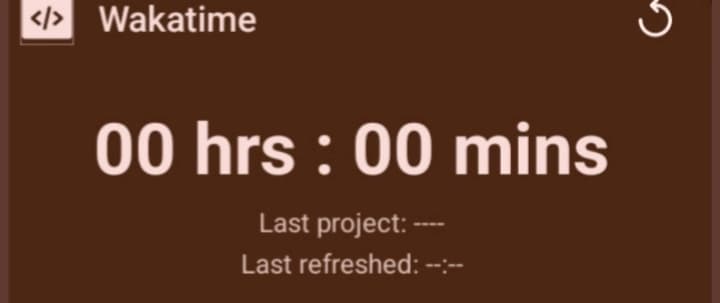
A guide to creating Android home screen widgets using Expo modules, complete with state management,...
Check the cache for the domain's IP address, for a sites like google.com it's usualla embedded in most browsers as a trusted site that uses https (this was done after a few man in the middle attacks which would hijack the initial request since the browser uses http (port 80) by default and is re-routed to https:(port 443) ) it might also check
If the requested URL is not in the cache, the browser checks the DNS registry
The browser initiates a TCP connection with the server. Once the browser receives the correct IP address, it will build a connection with the server that matches the IP address to transfer information. Browsers use internet protocols to build such connections. There are several different internet protocols that can be used, but TCP is the most common protocol used for many types of HTTP requests.
To transfer data packets between your computer(client) and the server, it is important to have a TCP/IP connection established. This connection is established using a process called the TCP/IP three-way handshake. This is a three-step process where the client and the server exchange SYN(synchronize) and ACK(acknowledge) messages to establish a connection.
Then a TCP connection is established for data transmission! after that an SSL connection is initialized to supprt communication over the secure https
The browser now sends the request and the server's loadbalancer will then redirect your request to the respective destination and send a response back t the application
The browser then renders the response html and awaits further interactions